

10 titles available
Filter by Series:
Filter by Subject:
Filter by Area:
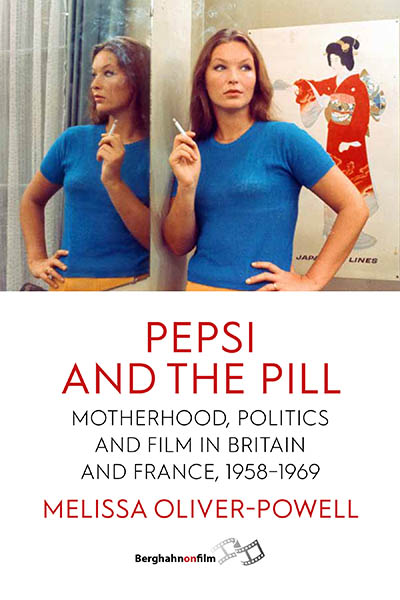
The 1960s was a decade of massive political and cultural change in Western Europe, as seismic shifts took place in in attitudes towards sexuality, gender, and motherhood in everyday life. Through case studies of British and French films, Pepsi and the Pill offers a fresh vision of a pivotal moment in European culture, exploring the many ways in which political activity and celebrated film movements mutually shaped each other in their views on gender, sexuality, and domesticity. As the specter of popular nationalism once again looms across Europe, this book offers a timely account of the legacy of crucial debates over issues including reproductive rights, migration, and reproductive nationalism at the intersection of political discourse, protest, and film.

Dictionary of Authentic American Proverbs offers a comprehensive reference guide for distinctly American proverbs. Compiled by Wolfgang Mieder, a key figure in the field of proverb studies, this compendium features nearly 1,500 proverbs with American origins, spanning the 17th century to present day, including a scholarly introduction exploring the history of proverbs in America, the structure and variants of these proverbs, known authors and sources, and cultural values expressed in these proverbs. Along with a comprehensive bibliography of proverb collections and interpretive scholarship, this dictionary offers a glimpse into the history of American social and cultural attitudes through uniquely American language.
Beginning with his first film Reconstruction, released in 1970, Theo Angelopoulos’s notoriously complex cinematic language has long explored Greece’s contemporary history and questioned European culture and society. The Cinematic Language of Theo Angelopoulos offers a detailed study and critical discussion of the acclaimed filmmaker’s cinematic aesthetics as they developed over his career, exploring different styles through which Greek and European history, identity, and loss have been visually articulated throughout his oeuvre, as well as his impact on both European and global cinema.
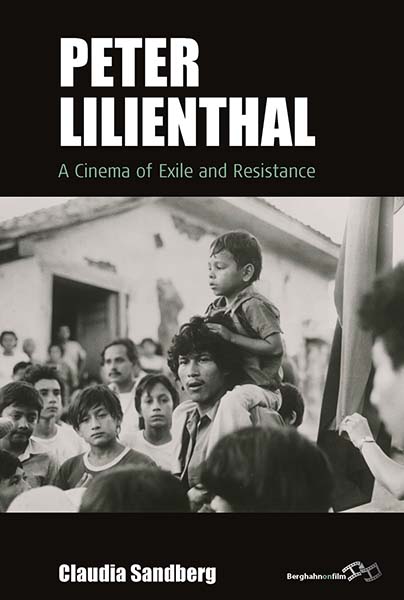
Best known for his 1979 film David, Peter Lilienthal was an unusual figure within postwar filmmaking circles. A child refugee from Nazi Germany who grew up in Uruguay, he was uniquely situated at the crossroads of German, Jewish, and Latin American cultures: while his work emerged from West German auteur filmmaking, his films bore the unmistakable imprints of Jewish thought and the militant character of New Latin American cinema. Peter Lilienthal is the first comprehensive study of Lilienthal’s life and career, highlighting the distinctively cross-cultural and transnational dimensions of his oeuvre, and exploring his role as an early exemplar of a more vibrant, inclusive European film culture.
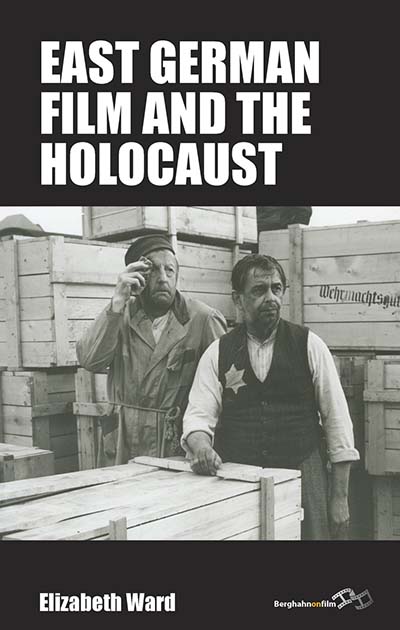
East Germany’s ruling party never officially acknowledged responsibility for the crimes committed in Germany’s name during the Third Reich. Instead, it cast communists as both victims of and victors over National Socialist oppression while marginalizing discussions of Jewish suffering. Yet for the 1977 Academy Awards, the Ministry of Culture submitted Jakob der Lügner – a film focused exclusively on Jewish victimhood that would become the only East German film to ever be officially nominated. By combining close analyses of key films with extensive archival research, this book explores how GDR filmmakers depicted Jews and the Holocaust in a country where memories of Nazi persecution were highly prescribed, tightly controlled and invariably political.
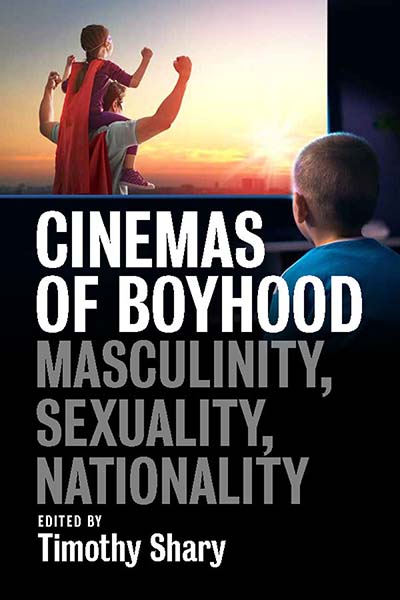
Drawing from political sociology, pop psychology, and film studies, Cinemas of Boyhood explores the important yet often overlooked subject of boys and boyhood in film. This collected volume features an eclectic range of films from British and Indian cinemas to silent Hollywood and the new Hollywood of the 1980s, culminating in a comprehensive overview of the diverse concerns surrounding representations of boyhood in film.
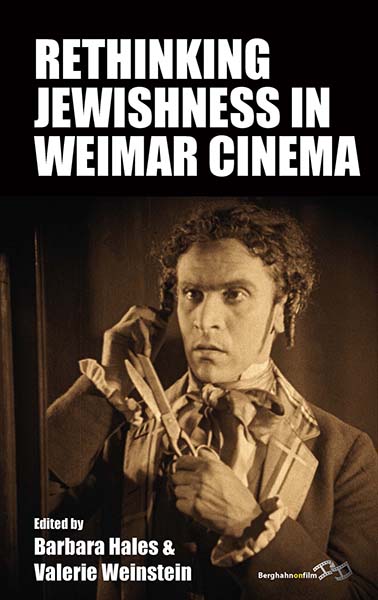
The burgeoning film industry in the Weimar Republic was, among other things, a major site of German-Jewish experience, one that provided a sphere for Jewish “outsiders” to shape mainstream culture. The chapters collected in this volume deploy new historical, theoretical, and methodological approaches to understanding the significant involvement of German Jews in Weimar cinema. Reflecting upon different conceptions of Jewishness – as religion, ethnicity, social role, cultural code, or text – these studies offer a wide-ranging exploration of an often overlooked aspect of German film history.

The fall of the Berlin Wall is typically understood as the culmination of political-economic trends that fatally weakened the East German state. Meanwhile, comparatively little attention has been paid to the cultural dimension of these dramatic events, particularly the role played by Western mass media and consumer culture. With a focus on the 1970s and 1980s, Don’t Need No Thought Control explores the dynamic interplay of popular unrest, intensifying economic crises, and cultural policies under Erich Honecker. It shows how the widespread influence of (and public demands for) Western cultural products forced GDR leaders into a series of grudging accommodations that undermined state power to a hitherto underappreciated extent.
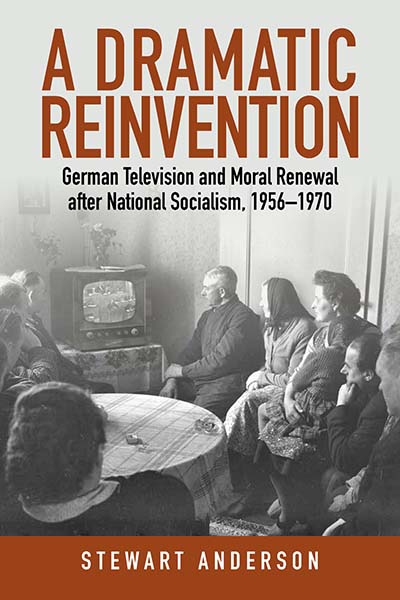
Following World War II, Germany was faced not only with the practical tasks of reconstruction and denazification, but also with the longer-term mission of morally “re-civilizing” its citizens—a goal that persisted through the nation’s 1949 split. One of the most important mediums for effecting reeducation was television, whose strengths were particularly evident in the thousands of television plays that were broadcast in both Germanys in the 1950s and 1960s. This book shows how TV dramas transcended state boundaries and—notwithstanding the ideological differences between East and West—addressed shared issues and themes, helping to ease viewers into confronting uncomfortable moral topics.
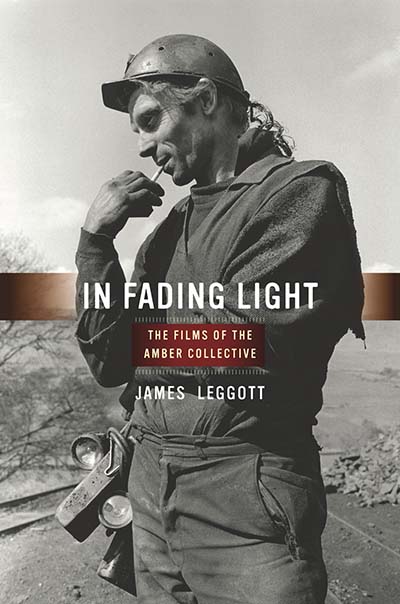
For over five decades, the Newcastle-based Amber Film and Photography Collective has been a critical (if often unheralded) force within British documentary filmmaking, producing a variety of innovative works focused on working-class society. Situating their acclaimed output within wider social, political, and historical contexts, In Fading Light provides an accessible introduction to Amber’s output from both national and transnational perspectives, including experimental, low-budget documentaries in the 1970s; more prominent feature films in the 1980s; studies of post-industrial life in the 1990s; and the distinctive perils and opportunities posed by the digital era.