“This is a fine book that offers fascinating comparative material from two well-chosen locations to discuss the lives and identity of Somali women migrants in Kenya and South Africa. It is theoretically astute and contains much important ethnographic material. I can see it becoming a key reference for the study of Somali diaspora in particular, and diaspora and identity in general.” • Neil Carrier, University of Bristol
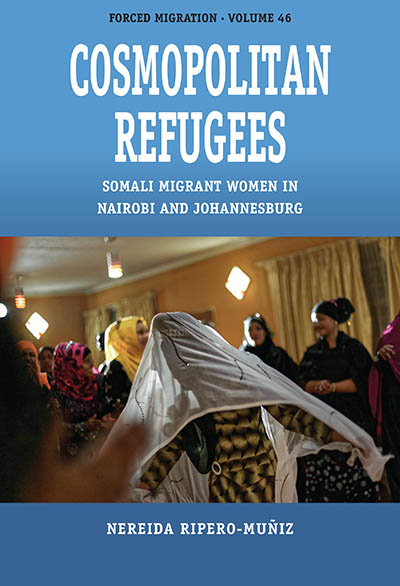
Exploring the dynamics of identity formation processes in diasporic spaces, this book analyses how gender, cultural and religious practices are renegotiated in a situation of displacement. The author presents the comparative case study of Somali migrant women in Nairobi and Johannesburg: two cosmopolitan urban hubs in the global South. The book is based on and includes ethnographic observations in Nairobi and Johannesburg, first-person accounts of migration journeys across the African continent and women’s reflections on what it means to be a Somali woman today.
Nereida Ripero-Muñiz is a lecturer in the School of Literature, Language and Media at the University of the Witwatersrand in Johannesburg. She has been working with the Somali diaspora in the African continent for the last ten years, having conducted and collaborated different research projects and publications on the topic.
LC: HQ1795 .R56 2023
BL: DRT ELD.DS.749341
BISAC: SOC066000 SOCIAL SCIENCE/Refugees; SOC002010 SOCIAL SCIENCE/Anthropology/Cultural & Social; SOC007000 SOCIAL SCIENCE/Emigration & Immigration